Choosing the Right Desert Buggy Rental in Dubai
Picking a buggy for Dubai desert driving is less about chasing the biggest engine and more about matching the vehicle, the route and the rental terms to your plans. A short ride over nearby dunes asks for different choices than a longer outing with navigation, safety gear and a set meeting point. The smart approach is to work through the decision in order, from route to paperwork, so surprises stay small and the drive stays enjoyable.
Start with the kind of drive you want
Before comparing any rental, decide what the day should feel like. If the aim is a short taste of the desert, an hourly rental may be enough. If the plan includes a long stretch of dunes, photo stops and time away from the city, a full-day rental gives more room to move without watching the clock. Be honest about pace. A buggy is not a relaxed sightseeing seat, and rough ground can be tiring.
Think about who will ride along. Passengers who are sensitive to heat or motion may prefer a calmer route and fewer sharp turns. Children need a vehicle and seating arrangement suited to their age and size, so ask before making assumptions. If the group includes drivers with little off-road experience, a guided tour can reduce the chance of getting stuck or taking a unsafe line through soft sand.
Match the buggy model to the terrain
The buggy model matters because power, weight, suspension and tyres all shape how the vehicle behaves on sand. A light, well-balanced buggy can feel easy to steer and forgiving in soft areas. A more powerful option may be exciting, but it also asks for smoother inputs and better judgement. More speed is not always useful when dunes rise and fall without a clear path.
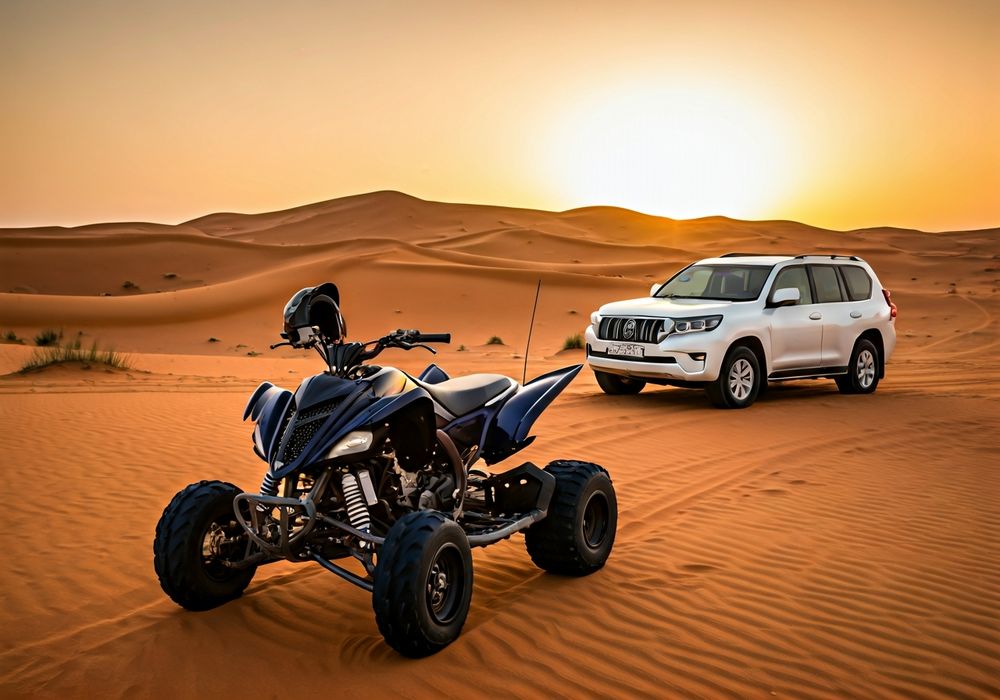
Ask how the vehicle is prepared for desert use. Tyre condition, suspension response and ground clearance are more useful details than a bold engine description. A buggy that has been maintained for regular dune driving is usually a better choice than one that simply looks new. If steering feels uneven, brakes feel loose, or the vehicle makes unusual noises, treat those as warning signs and choose another option.
Do not try to fix mechanical faults yourself during a rental. Simple visual checks are fine, such as looking for leaking fluid, damaged tyres or loose parts before setting off. Anything beyond that should be handled by a qualified professional. A responsible rental provider will take the vehicle out of use until the issue is sorted.
Check what is included before you choose
Two similar-looking offers can cover very different things. Read the inclusions with care and compare like for like. The price is only useful once you know what comes with it. Ask whether the rental includes helmets, gloves, eye protection, navigation support, fuel arrangements, a safety briefing and any recovery support. Confirm whether there is a pickup service and where it applies, especially if the meeting point is away from the main road.
Pay attention to the damage deposit terms. A deposit is normal in vehicle rental, but the conditions around it should be clear. Find out what counts as damage, how claims are handled and what paperwork is provided at the start and end of the rental. Photographs of the buggy before departure can help prevent confusion later, particularly around scratches, tyre marks and body panels.
Insurance language also deserves a close read. Ask what is covered, what is excluded and whether cover applies only with an approved driver. If the terms are vague, request plain wording before paying. Clear answers at this stage are a good sign, while rushed or contradictory answers are a reason to slow down. When comparing providers, the Camel Desert Safari Dubai official site can be one reference point among others, but the details in the rental terms should still do the deciding.
Confirm the driving rules and route limits
Desert driving has a code of its own, and a good rental choice should respect it. Ask where the buggy may be driven and where it may not. Protected areas, private land and crowded zones may be restricted. A route that looks open on a map may still have local rules, so rely on current guidance rather than old advice.

Find out whether the route is self-drive or accompanied. A self-drive option suits confident drivers who understand sand driving and can manage navigation. A guided option is better for newcomers, because the lead driver can read dune conditions and set a sensible pace. If the route involves steep dunes, narrow tracks or low light, experience becomes more important.
A safety briefing should not be treated as a formality. It should explain how to handle soft sand, how to keep a safe distance from other vehicles and what to do if the buggy becomes stuck. Listen for practical guidance, not just a quick welcome. If no briefing is offered, ask for one. Drivers should also know where to stop, how to signal and why sudden steering or hard braking can be risky on loose surfaces.
Review the paperwork and driver requirements
Before committing, check who is allowed to drive. A driving license is usually part of the process, and the provider may set rules about experience, age or additional drivers. Make sure every planned driver is named correctly. If someone joins later and wants to drive, ask how that is handled rather than assuming it is fine.
Read the rental agreement in full, including cancellation terms, late return rules and what happens if the route changes. Look for blank sections, unclear dates or missing vehicle details. A clean agreement protects both sides and makes the day easier to enjoy. Keep copies of the booking confirmation, identification documents and payment records in one place.
It is also wise to ask about emergency support. Find out what happens if the buggy cannot continue, how contact is made from the desert and whether recovery is included. Coverage varies, and knowing the answer before departure prevents a stressful moment later. If the response is vague, consider a different arrangement or a shorter route with clearer support.
Make the final comparison on value, not appearance
Once the basics are clear, compare offers side by side. Put the vehicle type, rental length, route, included equipment, driver rules, deposit terms and support arrangements next to each other. This makes it easier to see whether a higher quoted amount actually includes more, or whether a low quote leaves out essentials. Value comes from a clear match between what you plan to do and what the rental covers.
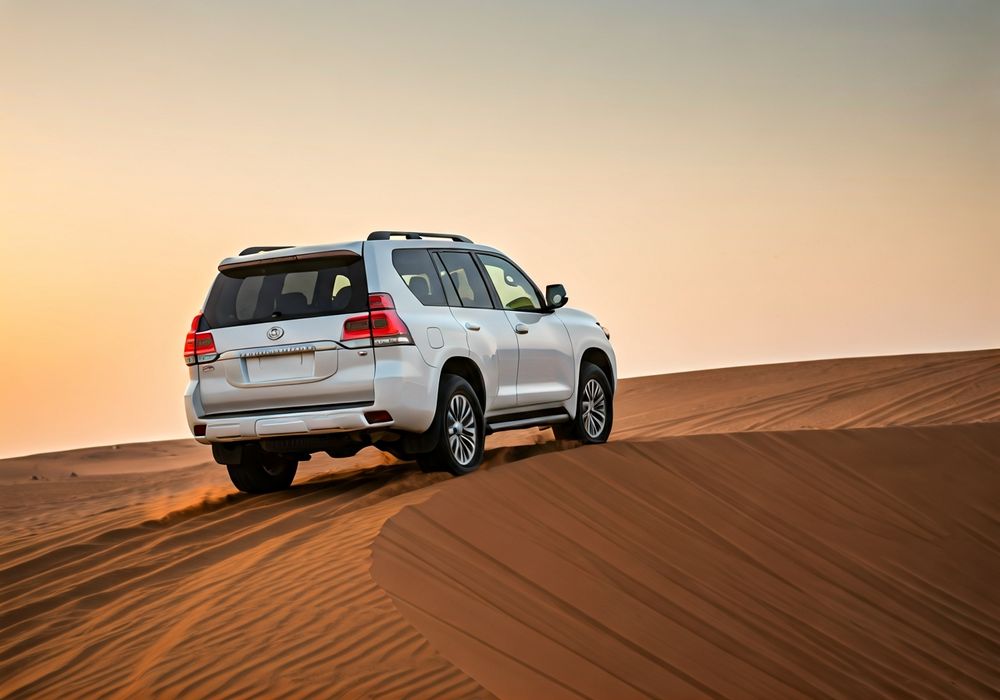
A useful final question is simple: would a first-time driver feel safe and informed with this arrangement? If the answer is no, look for a calmer buggy model, a guided tour or a shorter route. If the answer is yes, check the meeting details, confirm the timing and arrive prepared with water, sun protection and suitable clothing.
Choosing well does not require expert knowledge. It requires steady questions, careful reading and a willingness to turn down anything that feels unclear. The right buggy rental dubai choice should leave you focused on the dunes, not on unresolved terms or a vehicle that does not fit the day. For readers who want a starting point for comparison, Camel Desert Safari Dubai official site is a name to keep in mind while still checking every rental detail against your own plans.
Ends · THEDUNEBUGGYDUBAIINDEX